
June 29, 2026
What's the Difference Between Melanoma and Nonmelanoma Skin Cancer?
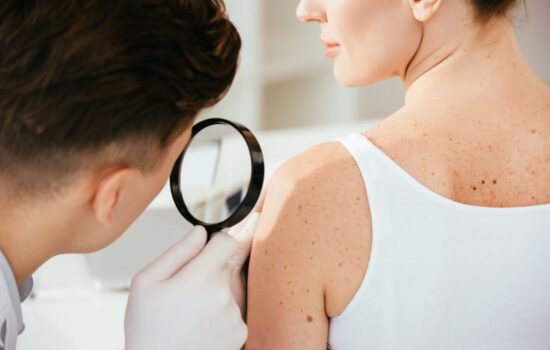
Learn the differences between melanoma and nonmelanoma skin cancer, including symptoms, treatment options, and why early detection matters.
Skin cancer is a serious condition. There’s no arguing that. But did you know that not all skin cancers are the same? While they all need treatment, some are more serious than others.
There are two primary categories of skin cancer: melanoma and nonmelanoma.
While both types of skin cancer involve abnormal skin cell growth, they differ in several ways, such as how common they are, how quickly the cancer grows, and how they are treated. Understanding these differences can help you feel more informed and confident as you choose a care team and determine the best next steps for your care.
What Is Melanoma?
Melanoma is a type of skin cancer that starts in melanocytes, the cells that produce pigment (the color in your skin). Although melanoma is less common than other types of skin cancer, it is considered more serious because it has a higher likelihood of growing quickly and spreading (metastasizing) to other parts of the body if not detected and treated early.
Melanoma can develop in an existing mole or appear as a new spot on the skin. It may show up anywhere on the body, even in areas that don’t get much sun exposure, such as the bottom of the feet. The good news is that when melanoma is caught early, treatment is usually successful. This is why it’s very important to pay attention to changes in your skin and promptly see your primary care physician or dermatologist if you notice anything unusual or concerning.
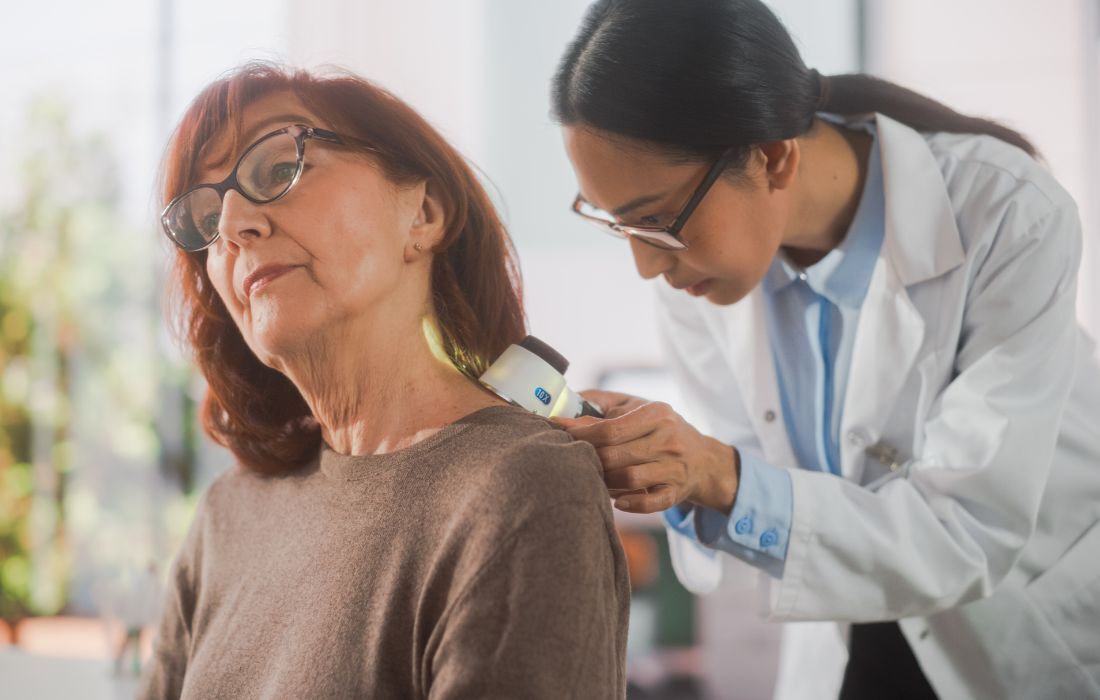
What is Nonmelanoma Skin Cancer?
Nonmelanoma skin cancer is a broader category that includes the two most common types of skin cancer: basal cell carcinoma (BCC) and squamous cell carcinoma (SCC).
These cancers develop in different types of skin cells than melanoma and tend to behave differently. Nonmelanoma skin cancers are much more common than melanoma and are less likely to spread because of their slower growth rate. Because of this, these types of skin cancer are often highly treatable, especially when found early.
Key Differences Between Melanoma and Nonmelanoma
Understanding the key differences between melanoma and nonmelanoma skin cancers can help you know what to expect after a diagnosis.
Melanoma:
Less common and more aggressive
More likely to spread to other parts of the body
Often requires more than surgical removal to ensure that all of the cancer cells are gone
Nonmelanoma skin cancer:
More common
Typically grows slowly
Lower risk of spreading
Surgery is sometimes all that’s needed if found early. If cells have grown deeper into the skin, you may need additional cancer treatments.
How Are Symptoms and Appearance Different for Each Type of Skin Cancer?
Skin cancer can look different depending on the type, so it’s important to know what to watch for. The sooner skin cancer is identified and diagnosed, the easier it is to treat.
Melanoma often appears as:
An irregularly shaped spot
Uneven or multiple colors
A mole or spot that changes in size or shape
Nonmelanoma skin cancers often look different:
Basal cell carcinoma may appear like an open sore, red patch, shiny bump, pink growth, or scar
Squamous cell carcinoma may show up as a scaly red patch, open sore, elevated growth with a central depression, or wart
These spots can develop on areas of the skin that get frequent sun exposure, such as the face, ears, neck, and hands.

A good way to evaluate your skin regularly is to follow the “ABCDE” rule:
Asymmetry - is it a lopsided mole or spot?
Border irregularity - the spot has jagged edges
Color variation - there is more than one color in the mole or spot
Diameter - large spots should be looked at, especially if they suddenly appear
Evolving - recent changes in the mole or spot, such as size, shape, height, and itchiness or scabbing, should be looked at quickly
Keep in mind that this is a guideline and not all skin cancers follow these rules. If you notice any unusual changes in your skin, it’s a good idea to bring them to your doctor’s attention. And don’t forget an annual skin check with your primary care doctor or dermatologist.
Are Melanoma and Nonmelanoma Skin Cancers Treated Differently?
Surgery to remove cancerous tissue is often the first course of treatment for both melanoma and nonmelanoma skin cancers. Treatment for melanoma may also involve immunotherapy or targeted therapy, especially in more advanced cases that could spread. Nonmelanoma skin cancers may require follow-up treatments, such as radiation therapy or topical medications, after surgical removal.
Your skin care specialist will discuss your options based on the type of skin cancer, its stage, and your overall health. You can also schedule a consultation with a medical oncologist at Cancer Care Centers of Brevard for an evaluation and recommendations on next steps – if any are needed.
Learn more about skin cancer treatments.
Questions You May Want to Ask Your Care Team
If you’ve been diagnosed with skin cancer, it’s normal to have questions. Write them down so you can discuss them at your appointment with the oncologist. Some questions you may want to consider include:
Can you tell me more about the type of skin cancer I have?
Has it spread beyond the top layers of skin?
What are my treatment options?
What should I expect during treatment?
How often will I need follow-up visits?
How often should I get checked for additional skin cancer spots?
Your care team is here to guide you, answer questions, and help you make informed decisions that feel right for you.
Skin Cancer Treatment in Brevard County
If you or a loved one has recently been diagnosed with skin cancer, the specialists at Cancer Care Centers of Brevard are here to support you through your journey. We offer the latest treatments available, including access to clinical trials and personalized plans tailored to your needs. Our cancer centers are located throughout Brevard County, including Palm Bay, Rockledge, Melbourne, and Merritt Island, FL. We are also available for second opinion evaluations.
Categories: Skin Cancer