
Recurrent Lung Cancer
Even after successful treatment for lung cancer, there is a possibility that it will return. When lung cancer comes back after treatment, it is referred to as lung cancer recurrence or recurrent lung cancer.
A recurrence does not necessarily mean that treatment options are limited. Depending on where the cancer returned, the type of lung cancer, previous treatment received, and your overall health, there may be several lung cancer recurrence treatment options, including clinical research trials available at our cancer centers in Brevard County, Florida.
At Cancer Care Centers of Brevard (CCCB), our experienced cancer care team provides personalized treatment for people with recurrent lung cancer.
Types of Lung Cancer Recurrence
When lung cancer returns, your oncologist will evaluate where the cancer has come back and how extensive it is. A recurrence may be described as:
Local recurrence: The cancer has returned in or near its original site.
Regional recurrence: The cancer returns in nearby lymph nodes or tissues surrounding the original tumor.
Distant recurrence: The cancer returns in another part of the body, such as the brain, bones, adrenal glands, or liver.
Why Does Lung Cancer Recur?
Not everyone who has been treated for lung cancer will experience a recurrence. However, there are times when cancer cells remain in the body after treatment that can’t be detected with imaging.
For example, some cancer cells might have already traveled to other parts of the body before treatment, but remained too small to be seen on scans. These hidden cells can eventually grow and cause the cancer to return. In other cases, a small number of cells may remain after treatment and begin growing again over time.
Your CCCB care team can help you understand your individual risk and the importance of ongoing monitoring through follow-up appointments.
Risk Factors Associated With Recurrent Lung Cancer
The risk of lung cancer recurrence varies from person to person. Factors that may influence recurrence include:
Smoking and exposure to secondhand smoke
Exposure to certain chemicals or pollutants
Previous radiation therapy to treat the lungs
The type and stage of the original lung cancer
Certain genetic markers
Response to initial treatment
If you smoke, quitting can be an important part of your overall health after a lung cancer diagnosis. Your cancer care team can provide resources and support to help you make healthy changes to reduce the chances of lung cancer recurrence.
Signs and Symptoms of Lung Cancer Recurrence
The symptoms of a lung cancer recurrence typically depend on where the cancer has returned. Some people may experience symptoms that involve the lungs, while others may develop symptoms related to cancer that has spread elsewhere in the body.
Possible symptoms of recurrent lung cancer include:
A new or worsening cough
Chest pain
Shortness of breath
Fatigue
Unexplained weight loss
Recurrent pneumonia or other respiratory problems
Neurological symptoms, or if the cancer has spread to the brain
If you are experiencing new symptoms or if symptoms are worsening after lung cancer treatment, this does not mean lung cancer has returned. However, it’s important to discuss them with your oncologist to determine the cause of your symptoms.
Learn more about the surprising symptoms of lung cancer.
Follow-up Care After Lung Cancer Treatment
Regular follow-up appointments are an important part of lung cancer care. Your oncologist will recommend follow-up testing based on your individual diagnosis and treatment history.
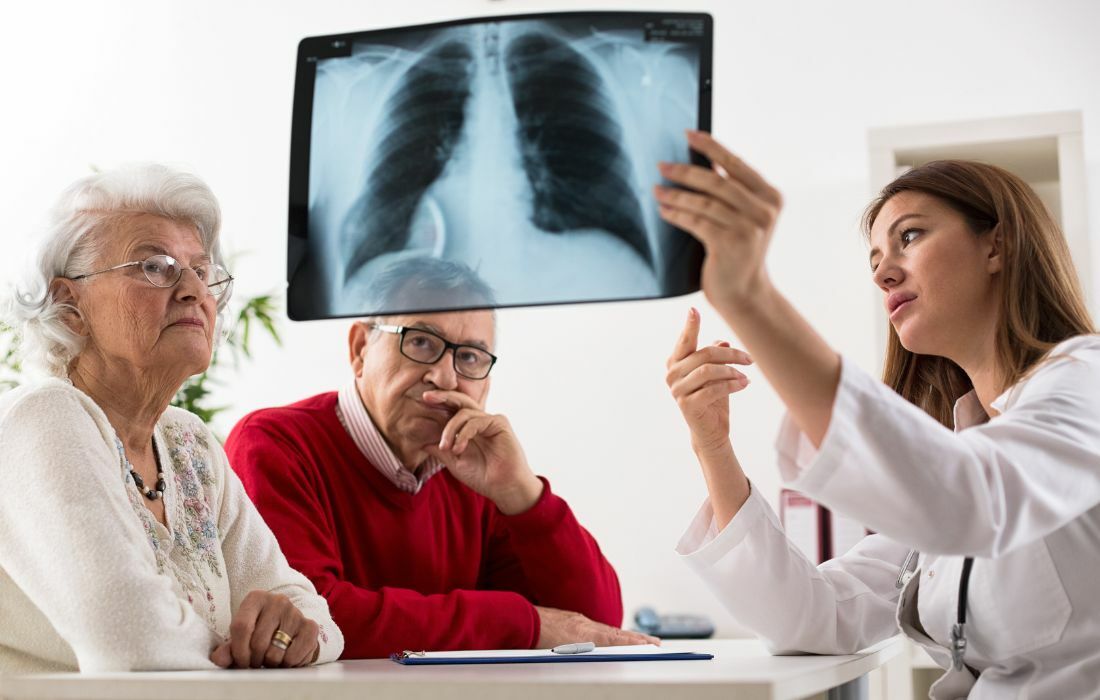
If your oncologist suspects that your lung cancer has returned, they will recommend additional testing to determine its location and extent. Testing can involve CT and PET scans, as well as blood tests to check for biomarkers that may be present in cancer cells. A biopsy may also be necessary. They might run biomarker tests on the biopsy sample to identify any genetic mutations that can be targeted with specific therapies.
Recurrent Lung Cancer Treatment Options
There are various ways to treat recurrent lung cancer. Your oncologist will determine the most effective treatment plan based on several factors, including where the cancer has returned, whether it has spread, the type of lung cancer, previous treatments, and your overall health.
Recurrent lung cancer treatment options may include:
Clinical trials: While clinical trials are not a “last resort,” they do open up treatment options that may not be available to someone in treatment for their initial diagnosis.
Chemotherapy: This is the main treatment method for recurrent lung cancer. You may be prescribed a different chemotherapy drug due to potential mutations and resistance that can develop from initial treatments.
Immunotherapy: These drugs can boost the immune system’s ability to fight recurrent lung cancer, particularly in cases of non-small cell lung cancer (NSCLC).
Targeted therapy: If genetic mutations are identified through biomarker testing, targeted therapy may be an option for NSCLC. Focusing on a specific gene or protein can slow cancer growth.
Radiation therapy: This treatment can help reduce the size of recurrent tumors that have developed in other regions of the body. Additionally, it may be used for palliative care to relieve symptoms caused by cancer.
Surgery is not a common approach for treating recurrent lung cancer. However, in select cases, surgery may be considered when the tumor is confined to a particular area in the body and can be removed safely.
Learn more about lung cancer treatments and clinical trials at CCCB.
Personalized Care for Recurrent Lung Cancer in Brevard County
If you or someone you love has experienced a lung cancer recurrence, Cancer Care Centers of Brevard is here to help. We are committed to bringing leading-edge cancer care to patients throughout Brevard County, Florida, including personalized treatment plans and access to clinical trial research. Our cancer centers are located throughout Brevard County, including Palm Bay, Rockledge, Melbourne, and Merritt Island, FL.